
How A Criminal Defense Lawyer Handles Disputes Over Police Evidence
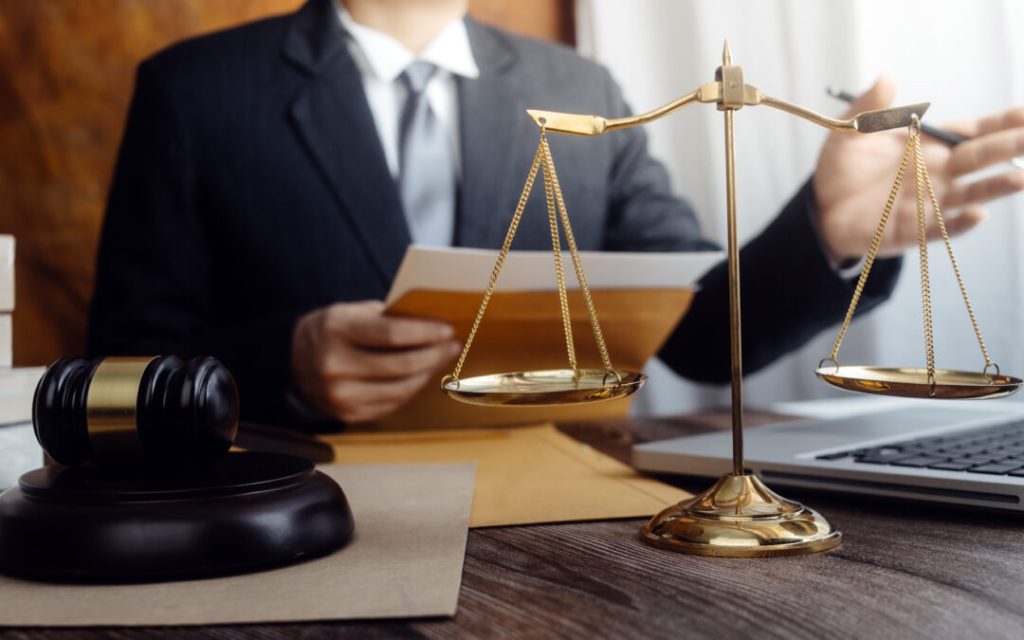
Justice and law concept.Male judge in a courtroom with the gavel, working with, computer and docking keyboard, eyeglasses, on table in morning light
You may assume that evidence collected by police is difficult to challenge, especially when an officer’s account differs from yours. However, police reports can contain mistakes, and evidence gathered during an investigation isn’t always admissible in court. If you’re facing criminal charges in Fort Worth, you may have concerns about whether investigators accurately documented what happened. Those concerns deserve attention because prosecutors often rely on police findings to support their allegations. A closer examination may reveal problems that affect how the evidence should be treated in court.
When Police Reports Conflict With Other Evidence
Imagine being accused of threatening someone during an encounter with police. The officer’s report describes your behavior as aggressive, but you remember the interaction differently. Your criminal defense lawyer may review available body camera footage to determine whether it supports the officer’s description. If the recording contradicts important details, those differences could become relevant when questioning the officer’s testimony. A minor mistake may have little effect, while an inaccurate description of the alleged offense could raise questions about the reliability of the account. Your attorney can determine which discrepancies are significant enough to challenge.
Disputing Evidence Obtained Through Police Searches
Sometimes, the disagreement concerns how officers obtained evidence rather than whether their account is accurate. The Fourth Amendment protects against unreasonable searches and seizures, although recognized exceptions may permit searches without a warrant. Suppose officers searched your vehicle and discovered something prosecutors intend to use against you. Your attorney would examine the circumstances to determine whether police had lawful grounds to conduct that search.
If the search violated your constitutional rights, your lawyer may file a motion to suppress the resulting evidence. The judge would then consider the circumstances and applicable legal standards before deciding whether prosecutors can introduce it. Even when officers make procedural mistakes, exclusion isn’t guaranteed. The nature of the violation matters, and challenging it can be particularly important when the disputed evidence plays a significant role in the prosecution’s case against you.
How Evidence Disputes Affect Your Defense
An evidence challenge can change how your case proceeds, especially when prosecutors depend on disputed material to establish an essential element of the offense. If the court excludes important evidence, the prosecution may need to reconsider its position. However, other admissible evidence could still support the charges, so understanding what remains is necessary before deciding how to proceed. An experienced criminal defense lawyer can evaluate the impact of the ruling and help you determine whether negotiating a resolution or preparing for trial is appropriate. Those decisions should reflect the actual strength of the remaining evidence and the potential consequences you face.
About The Author

 Does An Immigration Lawyer Near The Courtyard Handle I-601 Cases?
 What Attorneys For Divorce In Manassas Can Explain About The Process
 Why Local Businesses Should Consider SEO Audit Services New York
 How Red Light Therapy for Wellness Supports Mind and Body