
How Red Light Therapy for Wellness Supports Mind and Body
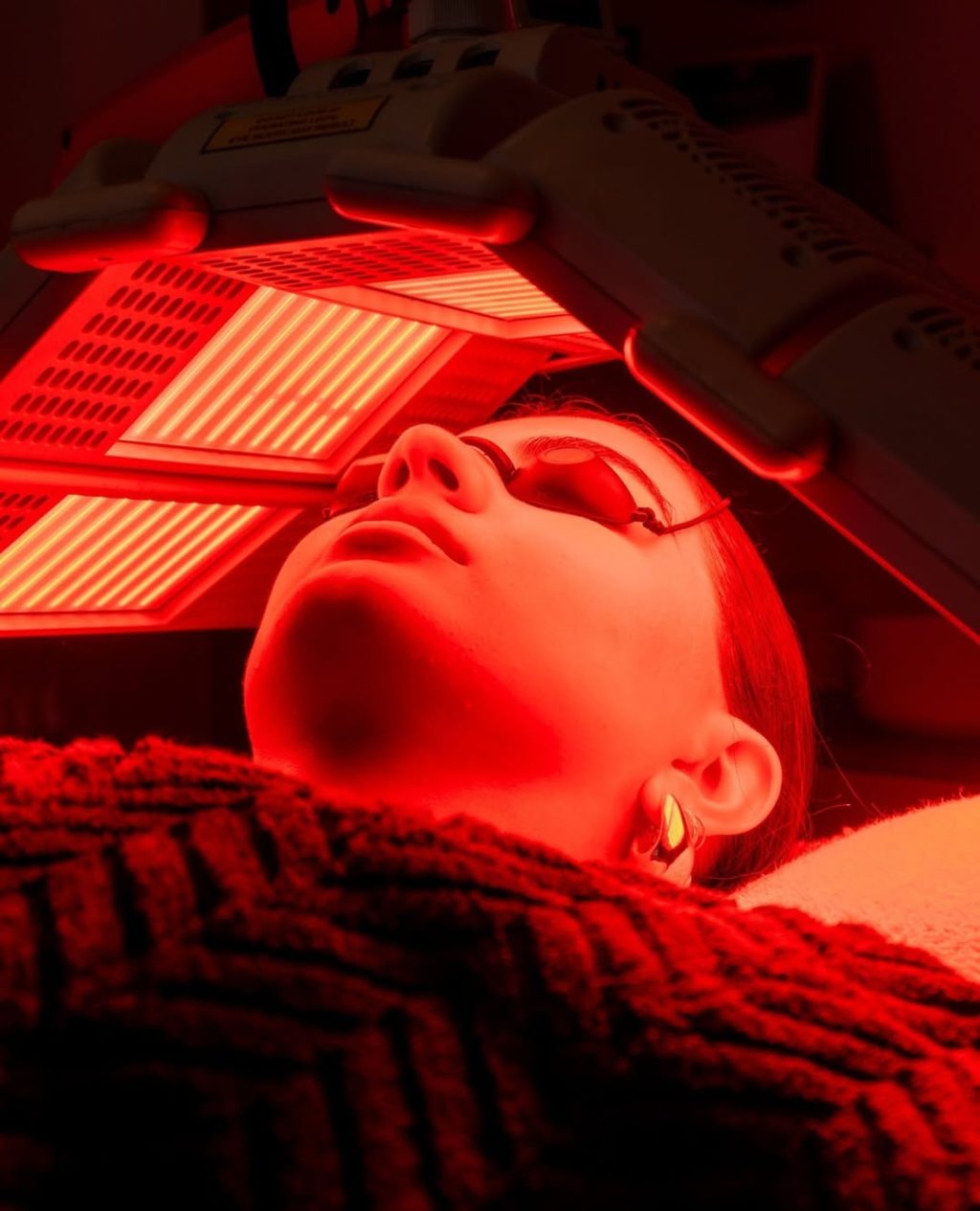
Maintaining good health involves caring for both the body and the mind. While a balanced diet, regular exercise, and quality sleep remain essential, many people are exploring additional wellness practices that complement a healthy lifestyle. One option that has gained attention is red light therapy for wellness. This noninvasive treatment uses specific wavelengths of red and near infrared light to support the body’s natural processes. It has become increasingly popular among individuals looking to improve recovery, enhance skin health, reduce discomfort, and promote relaxation.
Unlike treatments that involve medication or surgery, red light therapy is gentle and painless. Sessions are typically short, making them convenient for people with busy schedules. As more research continues to explore its potential benefits, many wellness centers and healthcare professionals are including red light therapy as part of a comprehensive approach to overall well being.
What Is Red Light Therapy?
Red light therapy is a treatment that exposes the body to low levels of red and near infrared light. These wavelengths penetrate the skin and are absorbed by the cells, particularly within structures called mitochondria. Mitochondria are often referred to as the energy producers of the cell because they help generate the energy needed for normal cellular function.
When cells receive this light energy, they may become more efficient in producing energy. This improved cellular activity can support natural healing processes, tissue repair, and overall wellness. Because red light therapy works by encouraging the body’s own biological functions, it is considered a supportive wellness treatment rather than a quick fix for health concerns.
Supporting Physical Recovery and Performance
One of the primary reasons people choose red light therapy for wellness is its potential to support physical recovery. Whether someone participates in intense athletic training or simply experiences muscle soreness after daily activities, recovery plays an important role in maintaining long term health.
Red light therapy may help reduce temporary muscle fatigue and support healthy circulation. Improved circulation allows oxygen and nutrients to reach tissues more efficiently, helping the body recover after physical activity. Many athletes include red light therapy in their recovery routines because it can complement stretching, hydration, and proper nutrition.
For individuals dealing with everyday aches and stiffness, consistent therapy sessions may contribute to greater comfort and improved flexibility. While individual experiences vary, many people appreciate having a noninvasive option that supports their active lifestyle.
Promoting Healthy and Radiant Skin
Healthy skin contributes to both appearance and confidence. Red light therapy has become a popular option for individuals looking to improve their skin without invasive cosmetic procedures. The treatment is believed to encourage collagen production, which helps maintain skin firmness and elasticity.
As collagen levels naturally decline with age, fine lines and wrinkles may become more noticeable. Red light therapy may help support collagen production, leading to smoother and healthier looking skin over time. Some individuals also notice improvements in skin texture and overall complexion after regular treatments.
The therapy is also commonly used to support the skin’s natural healing process following minor irritation or cosmetic procedures. Because it is gentle and does not damage the skin surface, many people include it as part of their ongoing skincare routine.
Encouraging Relaxation and Mental Wellness
Wellness extends beyond physical health. Mental well being is equally important for maintaining a balanced and fulfilling life. Daily stress, demanding work schedules, and constant responsibilities can affect mood, sleep quality, and energy levels.
Many people find that red light therapy sessions provide a peaceful opportunity to relax. Spending time in a calm environment while receiving treatment may help reduce feelings of tension and encourage a greater sense of relaxation. Some individuals also report improvements in sleep quality after incorporating regular sessions into their wellness routine.
Better sleep can positively influence mood, concentration, and emotional resilience. While red light therapy is not a replacement for professional mental health care, it can be a valuable addition to a healthy lifestyle focused on stress management and self care.
Supporting Joint Comfort and Mobility
Joint discomfort can affect people of all ages. Whether caused by aging, physical activity, or everyday wear and tear, stiff joints can make daily tasks more challenging. Red light therapy is often used as part of a wellness program designed to support comfortable movement.
The therapy may help promote healthy circulation around joints and soft tissues while supporting the body’s natural recovery processes. Individuals who maintain active lifestyles often use red light therapy to help manage temporary stiffness and maintain mobility.
Combined with regular exercise, stretching, and guidance from healthcare professionals, red light therapy may contribute to improved flexibility and greater comfort during everyday activities.
A Convenient Addition to Your Wellness Routine
One reason red light therapy continues to grow in popularity is its convenience. Most treatment sessions last between 10 and 20 minutes, allowing individuals to easily fit appointments into their schedules. The treatment is painless, requires no downtime, and allows people to return to their normal activities immediately afterward.
Many wellness centers create personalized treatment plans based on individual goals. Whether someone is focused on skin health, muscle recovery, relaxation, or general wellness, consistent sessions often produce the most noticeable results. Pairing red light therapy with healthy habits such as nutritious eating, regular physical activity, and proper sleep creates a more complete approach to overall well being.
Choosing a Qualified Wellness Provider
Although red light therapy is generally considered safe when performed correctly, choosing a reputable wellness provider is essential. Experienced professionals use high quality equipment and recommend treatment schedules based on your individual needs and health history.
During an initial consultation, the provider should explain the treatment process, discuss realistic expectations, and answer any questions you may have. This personalized approach helps ensure you receive care that aligns with your wellness goals while maintaining safety throughout your treatment journey.
Conclusion
Red light therapy for wellness offers a gentle and noninvasive way to support both physical and mental well being. From encouraging healthy skin and promoting muscle recovery to supporting relaxation and overall comfort, this innovative therapy complements a balanced lifestyle focused on long term health.
While results may vary from person to person, many individuals find that regular red light therapy sessions become a valuable part of their wellness routine. Combined with healthy daily habits and guidance from qualified professionals, it can help you feel more energized, comfortable, and confident as you work toward better overall health.
About The Author

 Does An Immigration Lawyer Near The Courtyard Handle I-601 Cases?
  What Attorneys For Divorce In Manassas Can Explain About The Process
  Why Local Businesses Should Consider SEO Audit Services New York