
Choosing the Best Bagged Vacuum Cleaner for Different Floor Types
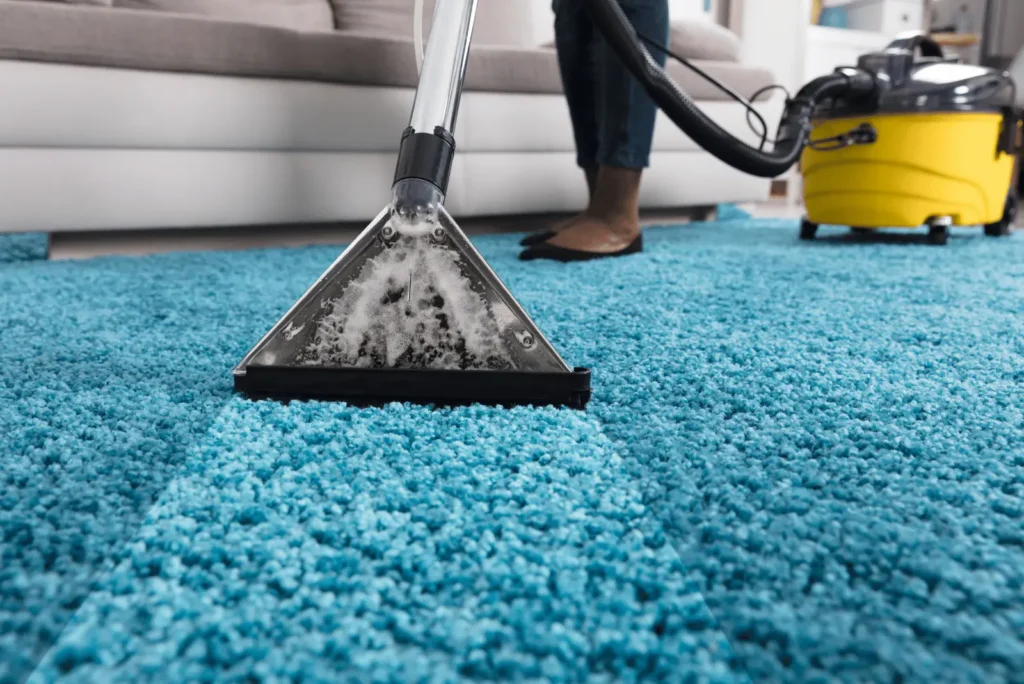
Choosing the right vacuum cleaner can make a significant difference in maintaining a clean and comfortable home. While there are many vacuum options available, bagged vacuum cleaners remain a popular choice because they offer effective filtration, convenient dust collection, and reliable performance. However, not every bagged vacuum cleaner is suitable for every type of flooring. Carpets, hardwood, tiles, laminate, and other surfaces have different cleaning requirements. Understanding these differences can help you select a vacuum that delivers better results without causing unnecessary wear to your floors.
Understanding Bagged Vacuum Cleaners
A bagged vacuum cleaner collects dust, dirt, hair, and other debris inside a disposable or reusable bag. As the bag fills, it can be removed and replaced or emptied according to the model. One of the main advantages of a bagged system is that it can provide a cleaner way to dispose of collected dust compared with emptying a dust container. Many bagged models also use multiple filtration stages, making them useful for homes where controlling airborne dust is an important consideration.
When selecting a bagged vacuum cleaner, it is important to consider more than suction power. The type of cleaning head, brush roll, height adjustment, filtration system, maneuverability, and available attachments can all affect cleaning performance. Matching these features to your flooring type is one of the best ways to get consistent results. Explore reliable bagged vacuum cleaner options to find a practical cleaning solution that suits different floor types and everyday cleaning needs.
Choosing a Vacuum for Carpeted Floors
Carpets can hold dust, pet hair, food particles, and other debris deep within their fibers. For this reason, homes with wall-to-wall carpeting or thick rugs often benefit from a bagged vacuum cleaner with strong suction and an effective rotating brush roll. The brush roll helps loosen dirt that becomes embedded in carpet fibers, while the suction pulls the debris into the vacuum bag.
For low-pile carpets, a standard brush roll and adjustable cleaning height may be sufficient. However, medium- and high-pile carpets may require a vacuum with height adjustment and suitable airflow. Adjustable settings allow the cleaning head to work effectively without becoming difficult to push across thicker carpeting. If your home contains different carpet thicknesses, choosing a model with multiple height settings can provide greater flexibility.
Selecting a Vacuum for Hardwood Floors
Hardwood flooring requires a gentler cleaning approach. Excessive agitation or an unsuitable rotating brush can potentially scratch delicate surfaces or scatter debris instead of collecting it. When cleaning hardwood floors, look for a bagged vacuum cleaner with a dedicated hard-floor setting or a cleaning head designed for smooth surfaces.
A vacuum with adjustable suction can also be helpful because it allows you to reduce airflow when necessary. Soft bristles and non-marking wheels are additional features worth considering. These can help remove dust and debris while minimizing the risk of damaging the floor’s finish. A crevice tool can also be useful for cleaning along baseboards and between floorboards.

Vacuum Cleaners for Tile and Stone Floors
Tile and stone floors are generally durable, but their textured surfaces and grout lines can collect dirt. A bagged vacuum cleaner with strong suction and a versatile floor head can help remove dust and debris from these areas. For tile flooring, a model that can switch between hard-floor and carpet settings is particularly convenient.
Pay attention to the vacuum’s attachments as well. A narrow crevice tool can help clean along grout edges, corners, and areas around fixtures. For polished stone surfaces, choose a cleaning head that is designed to be gentle enough for the finish. Vacuuming loose dirt before mopping can also reduce the amount of grit being spread across the floor.
Choosing a Vacuum for Laminate Flooring
Laminate flooring can resemble hardwood but has different surface characteristics and cleaning requirements. Since loose dirt and grit can cause scratches over time, regular vacuuming is useful. A bagged vacuum cleaner with a soft floor attachment and controlled suction can effectively collect particles without excessive agitation.
Avoid using a brush setting that is specifically designed for deep carpet cleaning unless the manufacturer confirms that it is safe for laminate flooring. A lightweight vacuum can also make it easier to clean larger areas without putting unnecessary pressure on the surface. Models with smooth wheels are another practical choice for protecting the finish.
Consider Homes with Multiple Floor Types
Many homes contain a combination of carpet, hardwood, tile, and laminate flooring. In these situations, purchasing a vacuum designed for versatility can be more practical than choosing a machine specifically for one surface. Look for a bagged vacuum cleaner with adjustable height, variable suction, and interchangeable or multi-surface cleaning heads.
The ability to switch settings quickly can make cleaning more convenient. For example, you may use a rotating brush roll for carpeted rooms and then switch to a soft floor setting when moving onto hardwood. Having useful attachments can also help you clean stairs, furniture, corners, and other areas that standard floor heads cannot easily reach.
Pay Attention to Filtration
Filtration is another important factor when choosing a bagged vacuum cleaner. A good filtration system can help capture fine dust particles rather than allowing them to pass back into the room through the exhaust air. Some models use high-efficiency filters, while others incorporate additional filtration stages.
The vacuum bag itself also plays an important role in filtration and capacity. Using the correct replacement bags recommended for your model can help maintain proper airflow and performance. A full or improperly fitted bag can reduce suction, so regular inspection and replacement are essential.
Consider Maintenance and Convenience
Even the best bagged vacuum cleaner needs regular maintenance. Check the bag when it becomes full, inspect filters according to the manufacturer’s instructions, and keep the cleaning head free from tangled hair and debris. If the vacuum uses a brush roll, regularly removing accumulated hair can help maintain effective operation.
Other convenience features may include a long power cord, automatic cord rewind, adjustable handle, lightweight construction, and onboard tools. Consider how you normally clean your home and choose features that will make regular vacuuming easier.
Conclusion
Choosing the best bagged vacuum cleaner depends largely on the types of floors you need to clean. Carpets generally benefit from strong suction and effective brush rolls, while hardwood and laminate floors require gentler cleaning heads and controlled suction. Tile and stone surfaces may benefit from versatile floor tools and strong debris collection. For homes with multiple floor types, an adjustable multi-surface model can provide greater flexibility.
By considering floor type, suction control, cleaning attachments, filtration, bag capacity, and maintenance requirements, you can find a bagged vacuum cleaner that suits your cleaning routine. The right combination of features can make everyday cleaning more efficient while helping your floors remain clean and well maintained for longer.
About The Author

 Does An Immigration Lawyer Near The Courtyard Handle I-601 Cases?
  What Attorneys For Divorce In Manassas Can Explain About The Process
  Why Local Businesses Should Consider SEO Audit Services New York
  How Red Light Therapy for Wellness Supports Mind and Body