
What To Do If Police Question You Without A Criminal Defense Attorney
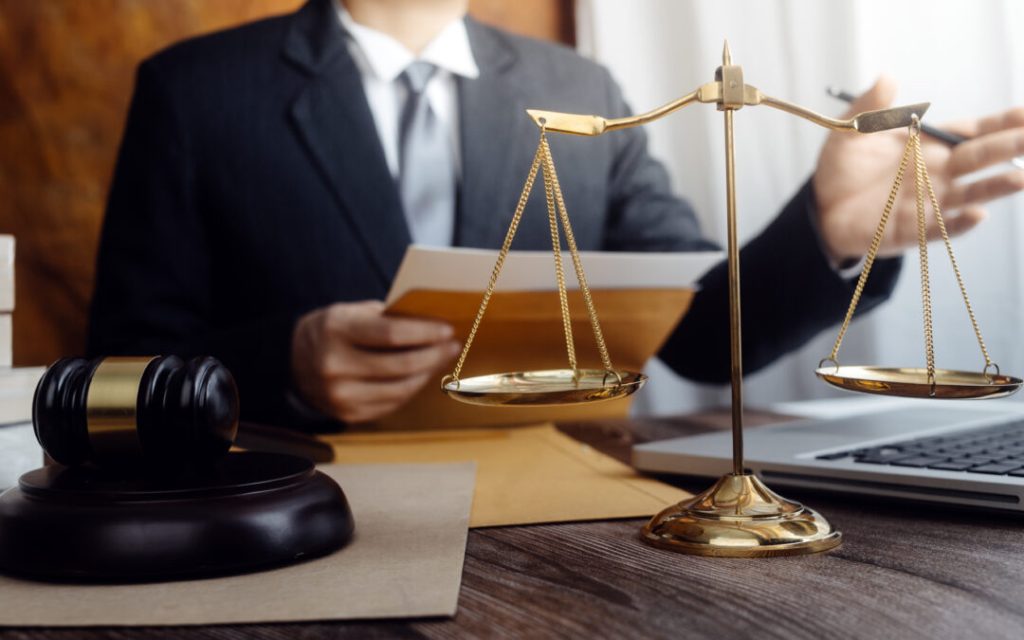
Justice and law concept.Male judge in a courtroom with the gavel, working with, computer and docking keyboard, eyeglasses, on table in morning light
Being questioned by police without a lawyer present can leave you replaying the conversation afterward. You may wonder whether you said too much or whether an answer could be used against you later. What happened during the questioning matters, but so does what you do afterward. You still have an opportunity to protect yourself and give an attorney the information needed to evaluate the encounter.
Write Down What Happened While You Still Remember It
As soon as you can, make a private record of the questioning for your attorney. Start with how the conversation began and note whether officers told you that you were free to leave. You should also remember whether they read you your Miranda rights before asking questions while you were in custody.
Try to record the questions as accurately as possible along with the answers you gave. Small details can become important when an attorney determines whether your statements were obtained lawfully. Avoid discussing your recollection with friends or posting about the encounter online because those conversations could create additional issues.
Speak With An Attorney Before Answering More Questions
Police may contact you again, particularly when an investigation is still developing. You do not have to keep answering questions simply because you already spoke with officers once. If investigators request another interview, getting legal advice before responding can help you understand your position.
This is often when people search for a criminal defense attorney near me because they want advice before having any further contact with investigators. An attorney can assess what you previously told police and advise you about future questioning. Depending on the circumstances, they may also communicate with investigators on your behalf. You should be truthful with your lawyer about what you said, even if you regret an answer. Your attorney needs an accurate account to determine how those statements could affect the case.

Let Your Attorney Review How The Questioning Occurred
Police questioning is not automatically improper simply because an attorney was absent. The legal issue often depends on the circumstances surrounding the interrogation. For example, Miranda protections generally become relevant when police conduct a custodial interrogation.
Your attorney can examine whether you were effectively in custody when officers questioned you. If Miranda warnings were required but were not properly given, the defense may seek to prevent certain statements from being used against you. Other circumstances could raise separate questions about whether a statement was voluntary.
Do not assume that speaking with police has already determined the outcome of your case. What you said must be considered alongside how the questioning occurred and how prosecutors intend to use the statements. Giving your attorney a complete account allows those issues to be evaluated before you make further decisions about the case.
About The Author

 Does An Immigration Lawyer Near The Courtyard Handle I-601 Cases?
  What Attorneys For Divorce In Manassas Can Explain About The Process
  Why Local Businesses Should Consider SEO Audit Services New York
  How Red Light Therapy for Wellness Supports Mind and Body