
How Plumbing Services Adapt to Changing Building Materials
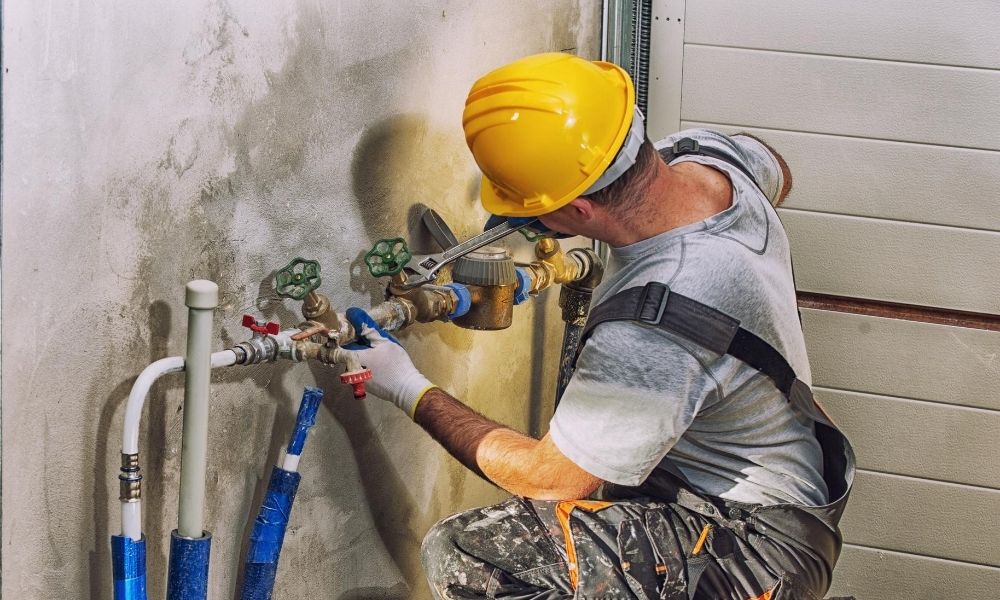
The Evolving Landscape of Building Materials
The construction environment has undergone a pronounced metamorphosis over recent decades, and plumbing services have been compelled to evolve alongside it. Traditional masonry and metal based structures have gradually given way to composite assemblies, engineered woods, advanced polymers, and modular systems that prioritize efficiency and adaptability. Each new material brings distinct physical behaviors, such as thermal expansion, acoustic transmission, and moisture interaction, which directly influence plumbing design. Plumbers now evaluate not only water flow and pressure but also how pipes coexist with lightweight framing, insulated wall cavities, and prefabricated panels. This transformation has encouraged a more holistic approach, where plumbing infrastructure is conceived as an integrated component of the building ecosystem rather than an isolated utility. The result is a discipline that blends mechanical aptitude with material literacy, ensuring that water distribution and drainage systems remain resilient despite constant change.
From Metal to Polymer Driven Pipe Systems
One of the most visible adaptations within plumbing services is the transition from exclusively metal pipes to polymer driven alternatives. Copper and cast iron once dominated installations due to their strength and longevity, yet modern polymers such as cross linked polyethylene and advanced PVC variants have redefined expectations. These materials offer flexibility, corrosion resistance, and ease of handling, which align well with contemporary construction methods. Plumbing professionals have refined their practices to accommodate these characteristics, learning how polymer pipes respond to temperature fluctuations and structural movement. The shift has also altered system planning, since lighter materials allow for longer continuous runs and fewer connection points. This evolution has not diminished craftsmanship. Instead, it has elevated the importance of precision, as improper handling or incompatible fittings can undermine the advantages these materials provide.
Installation Techniques in an Era of Material Diversity
Changing building materials have reshaped installation techniques in subtle yet consequential ways. Modern walls often contain layered assemblies designed for insulation, sound attenuation, and fire resistance, which means plumbing must be installed with careful spatial awareness. Services now rely on calibrated tools, controlled fastening methods, and meticulous alignment to prevent stress on pipes embedded within delicate structures. Adhesive bonding, thermal fusion, and press fitting technologies have become commonplace, replacing older methods that depended on soldering or heavy threading. These techniques demand controlled environments and exact timing, fostering a more methodical workflow. Plumbers also collaborate closely with other trades, ensuring that pipes do not compromise structural integrity or building performance. This collaborative precision underscores how installation has become both a technical and strategic endeavor.
Regulatory Standards and Material Compatibility
As materials diversify, regulatory frameworks have expanded to ensure safety and compatibility. Plumbing services must remain conversant with evolving codes that address fire resistance, potable water safety, and environmental impact. New materials often require specific approvals and testing protocols before they can be integrated into a system. Plumbers assess chemical interactions between pipes and water supplies, especially in buildings that incorporate recycled or treated materials. Compliance is no longer a static checklist but an ongoing process of evaluation and documentation. This regulatory vigilance protects occupants while reinforcing professional accountability. It also encourages innovation, as manufacturers develop materials that meet stringent standards without sacrificing performance. Plumbing services act as the practical bridge between regulatory intent and real world application.
Skill Development and Knowledge Expansion for Modern Plumbers
The adaptation to new building materials has elevated the intellectual demands placed on plumbing professionals. Technical knowledge now extends beyond hydraulics into material science, environmental engineering, and building physics. Continuous education has become essential, with training programs emphasizing hands on experience with emerging products and tools. Plumbers cultivate diagnostic acuity, learning to anticipate how unfamiliar materials behave over time. This expanded skill set enhances problem solving capabilities and fosters confidence in complex installations. It also reshapes professional identity, positioning plumbers as multidisciplinary specialists rather than solely trade technicians. Such growth ensures that plumbing services remain relevant and dependable within an industry defined by perpetual innovation.
Durability, Sustainability, and Long Term Performance
The final measure of adaptation lies in durability and sustainability. Modern building materials often emphasize resource efficiency and reduced environmental impact, and plumbing services align with these objectives by selecting systems designed for longevity and minimal waste. Lightweight materials reduce structural load, while corrosion resistant pipes extend service life and limit maintenance demands. Plumbers evaluate life cycle performance, considering not only installation efficiency but also future accessibility and repair potential. This long view reflects a commitment to responsible construction practices that balance performance with ecological stewardship. By adapting to changing materials with discernment and expertise, plumbing services contribute to buildings that are not only functional but enduring, resilient, and attuned to the evolving expectations of the built environment.
About The Author

 Does An Immigration Lawyer Near The Courtyard Handle I-601 Cases?
  What Attorneys For Divorce In Manassas Can Explain About The Process
  Why Local Businesses Should Consider SEO Audit Services New York
  How Red Light Therapy for Wellness Supports Mind and Body