
How Professional Dental Care Protects More Than Just Your Smile
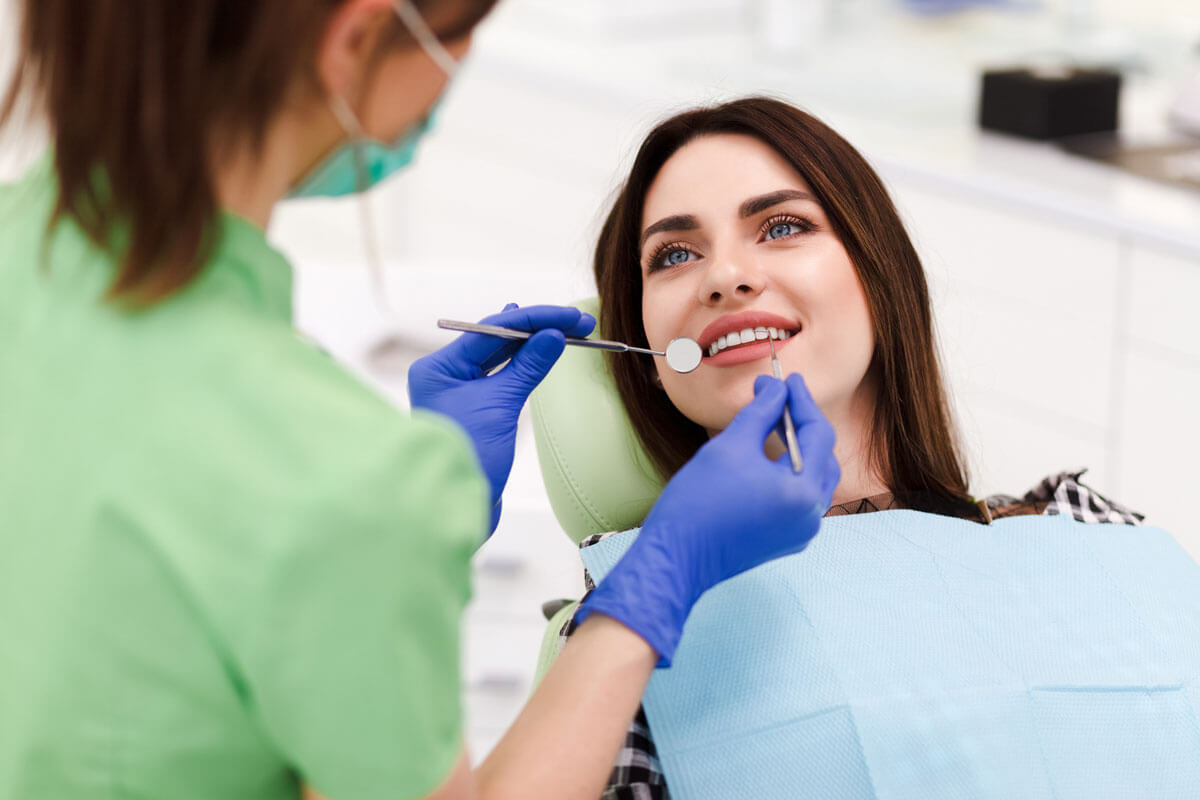
Professional dental care is frequently associated with visual appeal, yet its true value resides in preservation rather than presentation. The oral cavity is an intricate biological environment composed of enamel, dentin, soft tissue, saliva, and a diverse microbiological population that exists in delicate balance. When this balance is disrupted, the consequences rarely remain confined to the mouth. Pain, infection, nutritional compromise, and chronic inflammation may gradually emerge, often advancing silently until function is impaired. Professional dental care introduces structure, surveillance, and clinical expertise into this space, transforming routine visits into a proactive safeguard for long term wellbeing. Through advanced instrumentation, diagnostic precision, and preventive strategy, dental professionals help maintain the stability of oral systems that support daily comfort, speech, digestion, and immunity. The outcome is not merely a maintained smile, but a fortified foundation for overall physiological health.
The Oral Systemic Nexus
The mouth serves as a biological threshold where external stimuli and internal systems converge. Its tissues are uniquely positioned to influence systemic health due to their vascular connectivity and constant exposure to bacteria. Professional dental care acknowledges this relationship by treating oral health as an extension of whole body wellness rather than an isolated specialty. Chronic oral infections can elevate inflammatory markers and contribute to systemic stress, subtly influencing cardiovascular performance, metabolic regulation, and immune responsiveness. Through comprehensive examinations and methodical care, dental professionals reduce microbial burden and stabilize oral tissues, thereby minimizing pathways for systemic disruption. This protective role becomes especially significant when early signs of disease are addressed promptly, preventing the escalation of localized issues into widespread physiological challenges that are far more difficult to resolve.
Preventive Diagnostics and Early Intervention
One of the most significant advantages of professional dental care lies in its emphasis on prevention through precise diagnostics. Modern dental assessments rely on detailed visual inspection, radiographic imaging, and tactile evaluation to identify changes that may escape untrained observation. Microscopic fissures, enamel demineralization, and subtle tissue changes are often asymptomatic in their early stages, yet they signal the onset of more serious conditions. Professional care ensures that these indicators are recognized and addressed before irreversible damage occurs. Early intervention reduces the need for extensive restorative procedures and preserves natural tooth structure, which is biologically superior to any artificial substitute. This foresight not only protects oral integrity but also spares the body from the cumulative stress of chronic infection and repeated invasive treatment.
Periodontal Health and Inflammatory Balance
Gum tissue plays a critical role in anchoring teeth and shielding deeper structures from bacterial intrusion. When periodontal health is compromised, inflammation becomes persistent rather than protective, creating an environment that fosters tissue breakdown and microbial proliferation. Professional dental care focuses on maintaining periodontal stability through meticulous cleaning, evaluation of pocket depth, and guidance on effective hygiene practices. By controlling inflammation at its source, dental professionals help regulate the body’s broader inflammatory response, which is essential for maintaining systemic equilibrium. Chronic inflammation is increasingly recognized as a contributing factor to numerous health concerns, making periodontal care a cornerstone of preventive health strategy. Healthy gums support structural integrity, reduce discomfort, and contribute to a state of biological calm that benefits the entire organism.
Nutrition, Mastication, and Digestive Efficiency
Efficient chewing is often overlooked as a determinant of nutritional health, yet it plays a pivotal role in digestion and nutrient absorption. Teeth that are compromised by decay, wear, or misalignment can hinder proper mastication, leading to incomplete food breakdown and digestive strain. Professional dental care ensures that occlusion, tooth structure, and jaw alignment function harmoniously, allowing food to be processed effectively before entering the digestive system. This optimization supports gastrointestinal efficiency and enhances the body’s ability to extract essential nutrients. Additionally, professional guidance can address sensitivity or discomfort that discourages the consumption of certain foods, indirectly influencing dietary quality. By preserving functional dentition, dental care supports balanced nutrition and contributes to sustained energy and metabolic stability.
Psychological Confidence and Social Wellbeing
Oral health exerts a profound influence on psychological comfort and social interaction. Persistent pain, visible decay, or chronic bad breath can erode confidence and foster self consciousness, subtly shaping behavior and emotional wellbeing. Professional dental care addresses these concerns through restorative precision and preventive maintenance, restoring not only function but also personal assurance. When individuals feel secure in their oral health, they are more likely to engage openly in communication and social settings. This confidence extends into professional environments, interpersonal relationships, and daily interactions, reinforcing mental resilience. The psychological relief that accompanies oral comfort should not be underestimated, as it contributes to reduced stress and a more positive self perception that supports overall quality of life.
Professional Dental Care Across the Lifespan
Oral health needs evolve with age, and professional dental care adapts accordingly to provide consistent protection at every stage of life. From early development to later years, teeth and supporting structures undergo continuous change influenced by growth, wear, and systemic health. Professional oversight ensures that these transitions are managed thoughtfully, preserving function and comfort over time. Preventive care in earlier years establishes habits and conditions that reduce future risk, while ongoing monitoring in adulthood addresses cumulative stress and emerging vulnerabilities. In later stages of life, professional dental care becomes essential for maintaining independence, nutrition, and comfort. Across the lifespan, this continuity of care reinforces stability, mitigates decline, and affirms that dental health remains an integral component of comprehensive wellbeing rather than an isolated concern.
About The Author

 Does An Immigration Lawyer Near The Courtyard Handle I-601 Cases?
  What Attorneys For Divorce In Manassas Can Explain About The Process
  Why Local Businesses Should Consider SEO Audit Services New York
  How Red Light Therapy for Wellness Supports Mind and Body